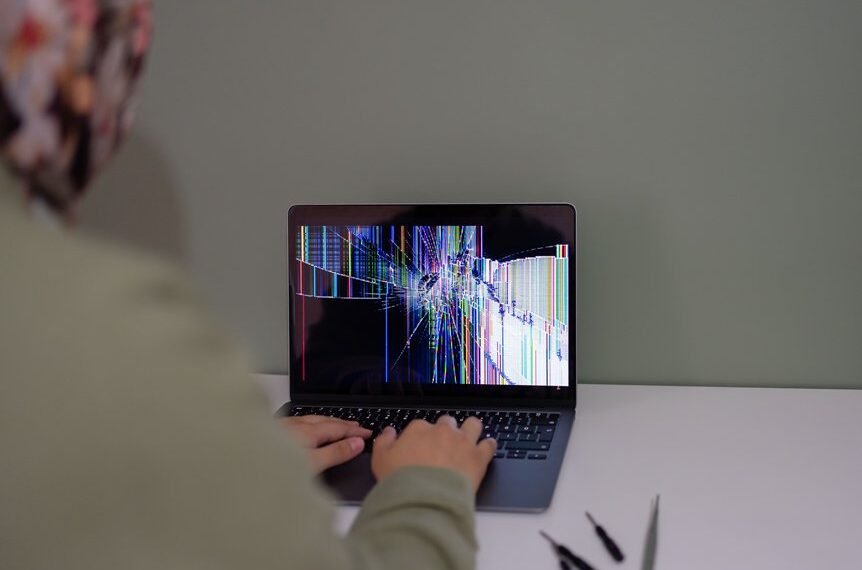
The discussion centers on what the 9135635540 fault signals indicate about a system. It outlines typical symptoms and their probable causes with a structured, stepwise lens. The text emphasizes safe, repeatable troubleshooting and clear documentation of evidence. It distinguishes remedial options by scope and risk, from subsystem fixes to interface refinements. With risk and context in mind, professional escalation is advised when constraints demand it, leaving a precise motivation to continue exploring further.
What the 9135635540 Fault Signals About Your System
The 9135635540 fault signals indicate a mismatch between expected system responses and observed behavior, suggesting a fault in a specific module or its interfaces.
The signals function as a diagnostic boundary, guiding investigators toward pertinent subsystems.
System diagnostics reveal patterns, quantify deviations, and isolate inconsistencies.
Fault signals thus support disciplined analysis, ensuring targeted remediation and verifiable, independent verification of performance improvements.
Common Symptoms and Root Causes You’ll Encounter
Common symptoms associated with the 9135635540 fault typically present as deviations between expected and observed system responses, suggesting a malfunction in a specific module or its interfaces.
The analysis delineates system context, linking observable anomalies to probable root causes.
Understanding these factors informs remediation options, guiding diagnostic focus without conflating symptoms with procedural steps, and preserving analytical clarity.
Practical Troubleshooting Steps You Can Try Safely
In approaching practical troubleshooting for the 9135635540 fault, a structured, evidence-based sequence is employed to identify and verify corrective options without conflating symptoms with procedures. The process distinguishes fault signals from suspected root causes, systematically testing hypotheses, documenting observations, and validating results.
This disciplined approach emphasizes safety, repeatability, and clarity, guiding stakeholders toward definitive, minimal-risk interventions.
When to Call a Pro and How Remediation Varies by Context
Determining when to involve a professional and how remediation shifts with context requires a structured appraisal of risk, expertise, and resource availability, balancing potential downtime against safety and compliance considerations. The decision emphasizes Common Causes patterns and Safe Remedies feasibility, distinguishing simple, reversible faults from complex, safety-critical failures.
Context dictates escalation thresholds, documentation needs, and professional assurance for reliable, compliant remediation.
Frequently Asked Questions
Can This Fault Cause Data Loss Beyond the System Boot?
The fault can cause data loss beyond boot integrity under certain conditions, though evidence is context-dependent. It should be evaluated analytically, ensuring boot integrity is preserved while assessing potential data loss risks and implementing corrective options.
Which Insurance Coverage Applies to Hardware Repairs?
Insurance coverage for hardware repairs varies; generally, manufacturer or extended warranties apply, with possible protections from business interruption policies. It assesses data integrity risks and boot sequence impacts, prioritizing restoration timelines and policy-specific exclusions, deductibles, and claim procedures.
Are There Firmware Updates That Might Worsen the Fault?
Approximately 28% show firmware regression risk after updates, suggesting cautious testing; updates can worsen faults. The analysis emphasizes diagnostic safety, urging staged rollouts and rollback capabilities to protect functional freedom while mitigating unintended hardware interactions.
Will Replacement Parts Affect Warranty Status or Eligibility?
Replacement parts can influence warranty eligibility; unauthorized or non-compatible components may void coverage, while approved replacements preserve it. The analysis considers firmware compatibility and warranty terminology to determine coverage boundaries and potential exclusions, informing a measured, freedom-seeking assessment.
How Long Can You Run Safe-Mode Diagnostics Before Risks?
A cautious clock ticks: driving diagnostics should not exceed prudent durations; extended runs increase risk. It conducts a structured risk assessment, evaluating hardware redundancy and system thresholds before potential failures, ensuring safe operation without compromising autonomy.
Conclusion
In sum, the 9135635540 signals function as diagnostic fingerprints, translating observed anomalies into probable fault domains. From symptom to root cause, the process is methodical: map, isolate, test, and verify. Each remediation step narrows possibilities like a compass needle settling on true north. When uncertainties loom or risk rises, professional intervention becomes the final, precise calibration. The system, once recalibrated, should resume stable, verifiable performance, marching forward with renewed predictability.